
Introduction
Beauty is not only about wearing makeup or following expensive skincare routines. It is about understanding your skin, taking care of your hair, choosing products that suit your needs and developing healthy daily habits. Sometimes, even small changes in your beauty routine can make a noticeable difference in how you look and feel.
With so many beauty products, trends and online recommendations available, it can be difficult to understand which tips are actually useful. Not every popular product works for everyone, and not every beauty trend is suitable for every skin or hair type. The secret is to keep your routine simple, consistent and suitable for your individual needs.
Whether you are a beginner or someone who already enjoys skincare and makeup, learning a few practical beauty tips can help you create a routine that feels easier and more effective.
In this guide, we will explore useful beauty tips and tricks for skincare, haircare, makeup, lips, nails and everyday self-care. These ideas are designed to help you build better habits without making your routine unnecessarily complicated.
1. Understand Your Skin Before Choosing Beauty Products
One of the most important beauty tips is to understand your skin type before purchasing skincare or makeup products. A product that works beautifully for one person may not provide the same result for another.
Different skin types
Oily skin: Oily skin often produces excess sebum, which can make the forehead, nose and chin look shiny. Lightweight moisturisers and gentle cleansing products may be helpful.
Dry skin: Dry skin can feel tight, rough or flaky. A suitable moisturiser and gentle cleansing routine can help maintain skin comfort.
Combination skin: Combination skin may be oily in some areas and dry in others. It may require different levels of hydration across the face.
Normal skin: Normal skin generally feels balanced, although it can still experience occasional dryness, oiliness or sensitivity.
Sensitive skin: Sensitive skin may react easily to certain ingredients, fragrances or environmental changes. Introduce new products carefully and avoid unnecessary changes to your routine.
A simple way to understand your skin
Wash your face with a gentle cleanser and allow your skin to settle without immediately applying other products. Observe how it feels after some time. If it feels tight, it may be dry; if it becomes noticeably shiny, it may be oily; and if different areas behave differently, it may be combination skin.
This is only a basic observation, not a medical skin assessment. Your skin can also change with weather, age and other factors.
2. Build a Simple and Consistent Skincare Routine
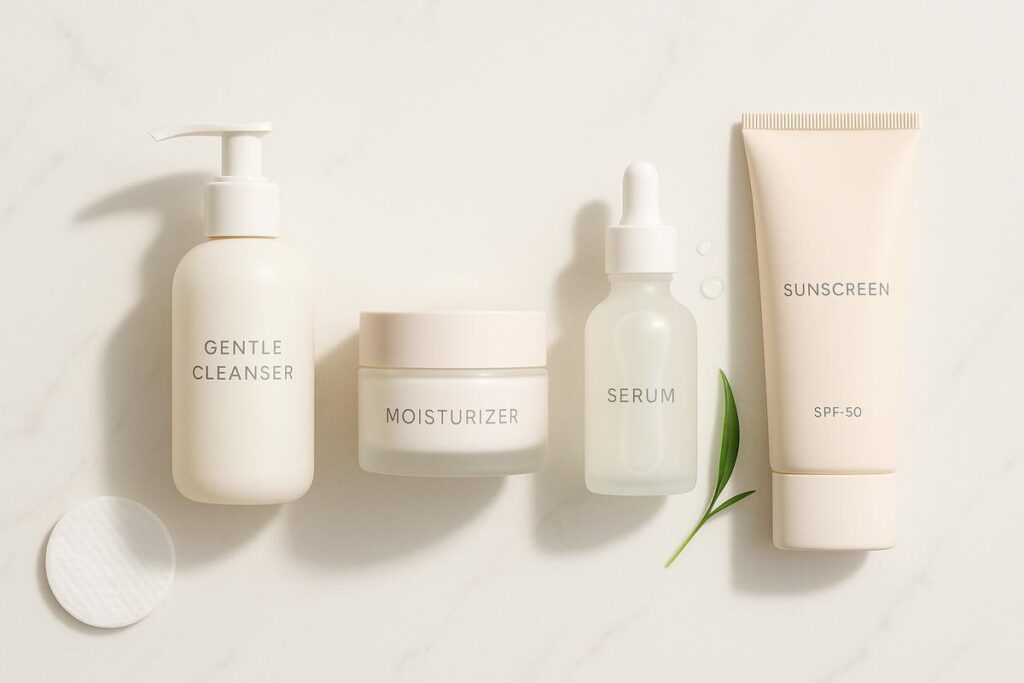
A complicated skincare routine is not always better. Using too many products can make it difficult to understand what your skin actually needs.
A basic routine with a few suitable products can be a good starting point.
Morning skincare routine
- Cleanser: Use a gentle cleanser to remove overnight oil and impurities.
- Moisturiser: Apply a moisturiser suitable for your skin type.
- Sunscreen: Finish with broad-spectrum SPF 30 or higher sunscreen. Apply enough and reapply as directed, especially when outdoors.
Night skincare routine
- Remove makeup and sunscreen properly.
- Wash your face with a gentle cleanser.
- Apply any suitable treatment product, if it is part of your routine.
- Finish with moisturiser.
Consistency matters more than the number of products. Give your routine time and avoid changing several products at once.
3. Never Skip Sunscreen
Sunscreen is one of the most important steps in a daytime skincare routine. Sun exposure can contribute to sunburn, premature skin ageing and an increased risk of skin damage.
Useful sunscreen tips
- Choose a broad-spectrum sunscreen with SPF 30 or higher.
- Apply it to exposed areas, including your face, neck and ears.
- Apply it before going outdoors.
- Reapply according to the product directions, especially after sweating, swimming or towel drying.
- Use sunscreen even when the weather is cloudy.
- Wear sunglasses, protective clothing and a hat when appropriate.
Remember that makeup products containing SPF should not be your only source of sun protection. A separate sunscreen is a more reliable step in your routine.
4. Keep Your Skin Hydrated
Hydration is important for maintaining comfortable-looking skin. When skin lacks moisture, it may feel tight, rough or flaky. A suitable moisturiser helps support the skin barrier and reduce moisture loss.
Simple hydration tricks
Apply moisturiser after cleansing: Applying moisturiser while the skin is slightly damp can help support hydration.
Choose the right texture: Lightweight lotions or gels may feel comfortable for oily skin, while richer creams may suit people with dry skin.
Do not skip moisturiser if you have oily skin: Oily skin can still become dehydrated and benefit from suitable moisturising products.
Avoid very hot water: Hot water can remove natural oils and make some skin types feel dry. Use lukewarm water instead.
Stay hydrated: Drink water regularly according to your body’s needs. Drinking extra water does not automatically solve every skin concern, but maintaining normal hydration is important for overall health.
5. Exfoliate Carefully for Smoother-Looking Skin
Exfoliation helps remove dead skin cells from the surface of the skin. It can improve the appearance of rough texture, but over-exfoliating can cause irritation and damage the skin barrier.
There are two common types of exfoliation:
Physical exfoliation: Uses particles or textured tools to remove dead skin cells through gentle friction.
Chemical exfoliation: Uses ingredients such as alpha hydroxy acids (AHAs) or beta hydroxy acids (BHAs) to loosen dead skin cells.
Exfoliation tips
- Choose a product suitable for your skin type.
- Start slowly and follow the product instructions.
- Avoid using several strong exfoliating products together.
- Do not scrub your face aggressively.
- Avoid exfoliating irritated, broken or sunburned skin.
- Use sunscreen during the day, especially when using exfoliating acids.
Exfoliation is optional. You do not need to exfoliate every day to maintain healthy-looking skin.
6. Simple Makeup Tricks for a Natural and Beautiful Look
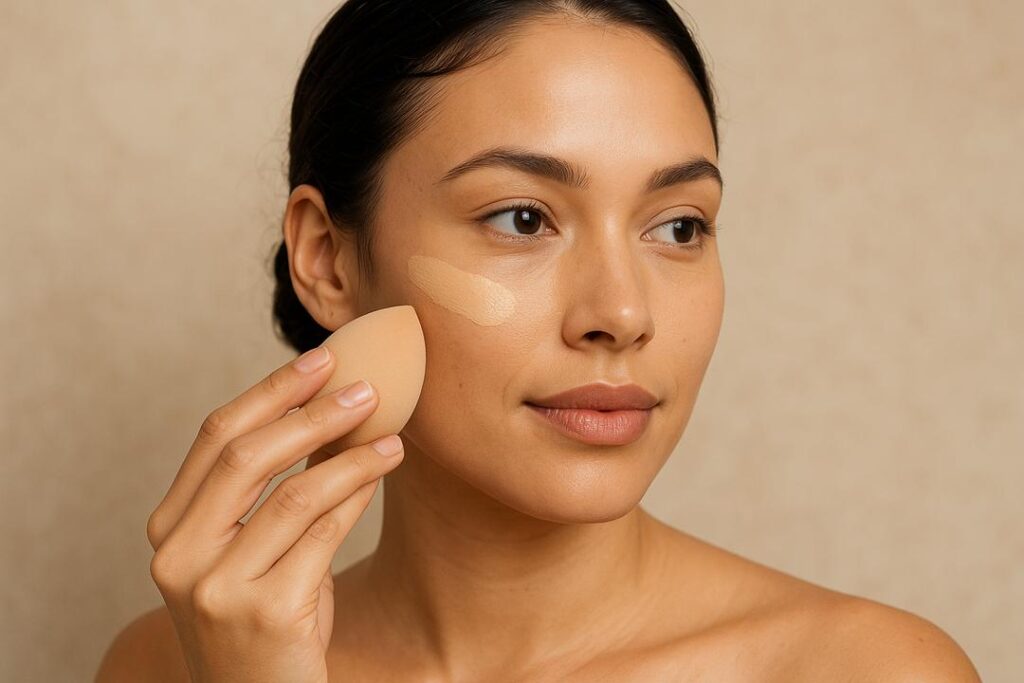
Makeup can highlight your features and help create different looks. However, good application techniques are often more important than using a large number of products.
Prepare your skin first
Before applying makeup, cleanse your face and use moisturiser. During the daytime, apply sunscreen as well. Allow your skincare products to settle before starting your makeup.
Use foundation in thin layers
Applying too much foundation at once can make the base appear heavy. Begin with a small amount, blend it evenly and add more only where extra coverage is needed.
Choose the correct foundation shade
Test foundation shades along your jawline and check them in natural daylight. A suitable shade should blend naturally with your face and neck.
Blend your concealer properly
Apply concealer only where additional coverage is needed, such as under the eyes or around small areas of discolouration. Blend the edges gently to avoid visible lines.
Use blush to add freshness
A little blush can give your makeup a fresh appearance. Choose a shade that complements your complexion and blend it softly.
Avoid applying too much powder
Setting powder can help reduce shine, but excessive powder may make makeup look dry or cakey. Apply a small amount only where needed.
7. Everyday Lip Care Tips
Lips can become dry and uncomfortable due to weather, dehydration or frequent exposure to dry air. A simple lip-care routine can help keep them soft.
Easy lip-care habits
Use a moisturising lip balm: Apply lip balm when your lips feel dry, particularly before sleeping.
Choose SPF lip protection: During the day, consider a lip balm with SPF to help protect your lips from sun exposure.
Avoid licking your lips: Saliva evaporates quickly and can leave lips feeling even drier.
Remove lipstick gently: Use a suitable makeup remover rather than rubbing your lips aggressively.
Avoid picking dry skin: Pulling or peeling flaky skin can cause irritation and small wounds.
Be careful with harsh scrubs: Aggressive lip exfoliation can make dryness worse. If your lips are irritated or cracked, focus on gentle moisturising instead.
8. Haircare Tips for Healthy-Looking Hair
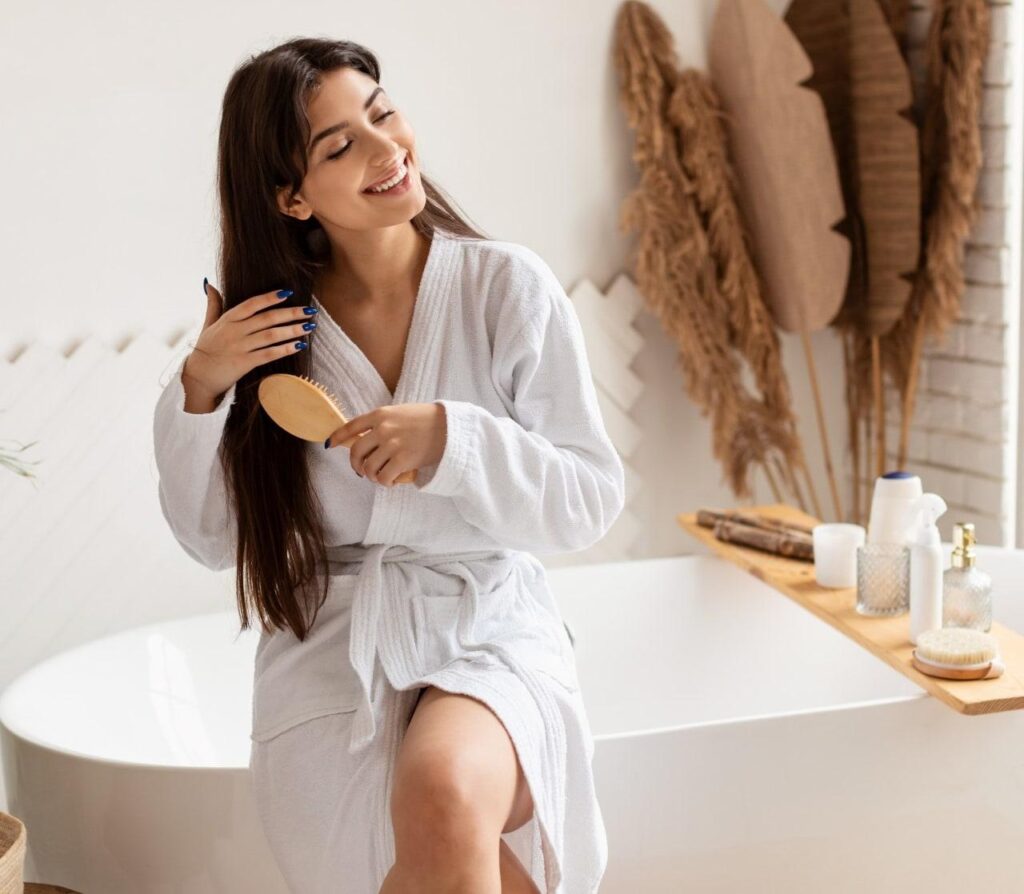
Beautiful hair is not only about styling. A good haircare routine begins with understanding your scalp, hair texture and individual concerns.
Choose shampoo according to your scalp
If your scalp becomes oily quickly, you may prefer a shampoo designed for oily scalps. If your hair is dry or damaged, a gentle cleansing formula may feel more suitable.
Remember that shampoo is mainly intended to cleanse the scalp. The lengths of your hair usually need gentler handling.
Do not skip conditioner
Conditioner helps improve softness, manageability and the appearance of hair. Apply it mainly to the mid-lengths and ends, following the product instructions.
Avoid excessive heat styling
Frequent use of straighteners, curling irons and high-temperature hair dryers can contribute to dryness and breakage.
Helpful habits include:
- Use a heat protectant before heat styling.
- Choose a lower effective temperature.
- Avoid repeatedly passing hot tools over the same section.
- Allow hair to air-dry when practical.
- Limit unnecessary heat styling.
Handle wet hair gently
Wet hair can be more vulnerable to breakage. Avoid rough towel rubbing and aggressive brushing. Gently squeeze excess water with a soft towel and detangle carefully using a suitable comb or brush.
Keep your scalp clean
Wash your hair according to your scalp’s needs rather than following a fixed schedule from someone else’s routine. If you have persistent itching, flaking or irritation, consider professional advice.
9. Easy Tricks for Frizz-Free and Manageable Hair
Frizz can happen for several reasons, including humidity, dryness, damage and hair texture. While it may not be possible to eliminate frizz completely, a few habits can help improve manageability.
- Use conditioner after shampooing.
- Avoid rubbing hair harshly with a towel.
- Apply a suitable leave-in conditioner if needed.
- Use a wide-tooth comb for gentle detangling.
- Avoid excessive heat styling.
- Protect hair from unnecessary friction while sleeping.
- Choose hairstyles that do not pull tightly on the roots.
A satin or silk-style pillowcase may help reduce friction for some people, although results vary.
10. Nail Care Tips for Clean and Beautiful Hands
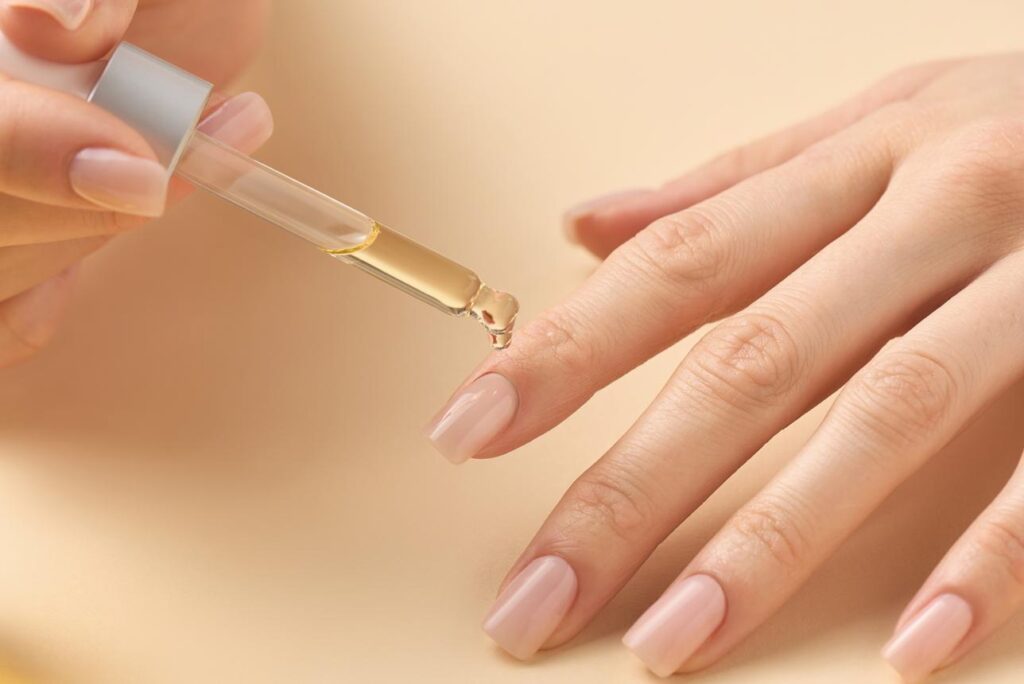
Well-maintained nails can make your hands look neat without requiring expensive salon treatments.
Basic nail-care routine
Keep nails clean: Wash your hands regularly and clean beneath the nails gently.
Moisturise your hands: Apply hand cream after washing when your skin feels dry.
Care for cuticles: Use cuticle oil or moisturiser to keep the surrounding skin comfortable. Avoid cutting cuticles aggressively.
Trim nails regularly: Keep nails at a comfortable length and file rough edges.
Avoid biting nails: Nail biting can damage the nail and surrounding skin.
Use gloves for household cleaning: Cleaning products and frequent exposure to water may dry the hands and nails. Protective gloves can help.
A simple home manicure
- Remove old nail polish gently.
- Wash and dry your hands.
- Trim and file your nails.
- Apply hand cream or cuticle oil.
- Apply a base coat if using nail polish.
- Add your chosen nail colour.
- Finish with a top coat if desired.
Clean tools and gentle techniques are more important than complicated nail designs.
11. Beauty Habits That Can Make Your Routine Better
Beauty is also connected to everyday habits. Small actions repeated regularly can support your overall appearance and wellbeing.
Get enough sleep
Sleep is important for general health. Poor sleep may make you look tired and can affect how you feel during the day. Try to maintain a consistent sleep schedule.
Eat a balanced diet
A balanced diet provides nutrients that support normal skin, hair and nail health. Include a variety of fruits, vegetables, protein sources, whole grains and healthy fats.
No single food guarantees clear skin or faster hair growth. A varied diet is more useful than depending on one so-called beauty food.
Stay physically active
Regular physical activity supports overall health and wellbeing. Choose activities you enjoy, such as walking, dancing, cycling or yoga.
Maintain personal hygiene
Clean makeup tools, fresh towels, regular hair washing and clean pillowcases can all support a more hygienic beauty routine.
Manage stress
Stress can affect how you feel and may influence certain skin or hair concerns. Relaxing activities, adequate rest and a manageable daily routine can help support general wellbeing.
12. Common Beauty Mistakes You Should Avoid
Sometimes, the best beauty trick is knowing what not to do. Certain habits can make your routine less effective or cause unnecessary irritation.
| Common mistake | Better beauty habit |
|---|---|
| Skipping sunscreen | Use broad-spectrum SPF daily |
| Using too many skincare products | Keep your routine simple |
| Washing your face too aggressively | Use a gentle cleanser |
| Applying foundation on unprepared skin | Moisturise before makeup |
| Choosing a wrong foundation shade | Test along the jawline |
| Over-exfoliating | Follow product instructions |
| Using excessive heat on hair | Use heat protection and lower temperatures |
| Pulling or picking dry lips | Apply moisturising lip balm |
| Sharing makeup products | Use personal, clean products |
| Sleeping with makeup on | Remove makeup before bed |
Avoid copying every beauty trend you see online. A routine should support your needs, not create unnecessary problems.
13. Beauty Tips for Different Seasons
Your beauty routine may need small adjustments throughout the year because temperature, humidity and sun exposure can affect your skin and hair.
Summer beauty tips
- Use lightweight skincare textures if they feel more comfortable.
- Apply and reapply sunscreen as directed.
- Cleanse gently after sweating.
- Keep hair protected from excessive sun exposure.
- Avoid applying too many heavy makeup layers if they feel uncomfortable.
Winter beauty tips
- Use a moisturiser that provides enough hydration.
- Apply lip balm regularly.
- Avoid very hot showers.
- Use gentle cleansing products.
- Protect exposed skin from cold, dry air.
Monsoon beauty tips
- Cleanse your skin gently after sweating.
- Keep makeup brushes and sponges clean and dry.
- Avoid leaving damp hair tied tightly for long periods.
- Choose comfortable skincare products that suit humid conditions.
- Continue using sunscreen even when the sky is cloudy.
The best seasonal routine is one that responds to how your skin and hair actually feel.
14. Beauty Tips for Beginners: Where Should You Start?
If you are new to skincare and makeup, you do not need to purchase an entire collection of products immediately. Start with the basics and understand how your skin responds.
Beginner skincare essentials
| Product | Purpose |
|---|---|
| Gentle cleanser | Removes dirt, oil and impurities |
| Moisturiser | Helps maintain skin hydration |
| Sunscreen | Helps protect against UV exposure |
| Lip balm | Helps moisturise dry lips |
Beginner makeup essentials
| Product | Purpose |
|---|---|
| Foundation or skin tint | Creates an even-looking base |
| Concealer | Adds coverage to selected areas |
| Blush | Adds colour to the cheeks |
| Mascara | Defines the lashes |
| Lipstick or lip tint | Adds colour to the lips |
| Makeup remover | Helps remove makeup at the end of the day |
Start with products that match your needs and budget. Learn how to apply each product properly before adding more items to your collection.
15. How to Create Your Own Personal Beauty Routine
There is no universal beauty routine that works for everyone. Your routine should reflect your skin type, hair type, lifestyle, climate and personal preferences.
Here is a simple way to create one:
Step 1: Identify your needs. Decide whether your main focus is hydration, oil control, hair manageability, makeup application or general self-care.
Step 2: Start with basic products. Choose a few products that address your most important needs.
Step 3: Introduce products gradually. Avoid adding several new products at the same time. Patch-test new skincare products when appropriate.
Step 4: Observe your results. Notice whether your skin feels comfortable and whether your haircare routine is manageable.
Step 5: Adjust when needed. Your routine may change with the weather, lifestyle or changes in your skin and hair.
Step 6: Be consistent. Give your routine time and avoid expecting instant results.
If you experience persistent acne, irritation, unusual hair loss or another ongoing concern, consult a qualified healthcare professional or dermatologist rather than relying only on beauty tips.
16. Frequently Asked Questions About Beauty Tips and Tricks
Q1. What is the most important daily beauty tip?
Following a consistent basic routine is a great starting point. Gentle cleansing, suitable moisturising and daily sunscreen can support healthy-looking skin.
Q2. How can I make my skin look fresh naturally?
Use skincare products suitable for your skin type, get enough sleep, maintain normal hydration and protect your skin from the sun. Avoid harsh treatments and unrealistic quick fixes.
Q3. How often should I wash my face?
Many people cleanse their face in the morning and evening, but individual needs can vary. Cleanse after heavy sweating and avoid washing so frequently that your skin becomes irritated or dry.
Q4. Is moisturiser necessary for oily skin?
Yes. Oily skin can still benefit from moisturising. Choose a lightweight product that feels comfortable on your skin.
Q5. How can I make my makeup look natural?
Prepare your skin, use a foundation shade that matches your complexion and apply products in thin layers. Blend carefully and avoid excessive powder.
Q6. How can I reduce frizz in my hair?
Use conditioner, handle wet hair gently, avoid excessive heat and consider a suitable leave-in product. Hair texture and humidity also influence frizz.
Q7. Is exfoliation necessary for everyone?
No. Exfoliation is optional. Some people benefit from it, while others may experience irritation. Choose suitable products and follow their instructions.
Q8. How can I keep my lips soft?
Apply a moisturising lip balm, use SPF lip protection during the day and avoid licking or picking your lips.
Q9. What should a beginner’s beauty routine include?
Start with a gentle cleanser, moisturiser and sunscreen. For makeup, begin with a few basic products that you know how to use.
Q10. Do expensive beauty products always work better?
No. Price does not guarantee that a product will suit your skin or hair. The most useful product is one that meets your needs, is suitable for your skin and fits your budget.
Final Thoughts
Beauty does not have to be complicated or expensive. The most useful beauty habits are often the simplest ones: understanding your skin, choosing suitable products, protecting yourself from the sun, caring for your hair and maintaining good personal hygiene.
Instead of following every new trend, focus on creating a routine that feels comfortable and works with your lifestyle. Remember that everyone’s skin, hair and preferences are different, so what works for one person may not work for another.
Take small steps, stay consistent and give yourself time to understand what your body needs. True beauty is not about achieving a perfect appearance; it is about feeling comfortable, confident and taking care of yourself every day.